
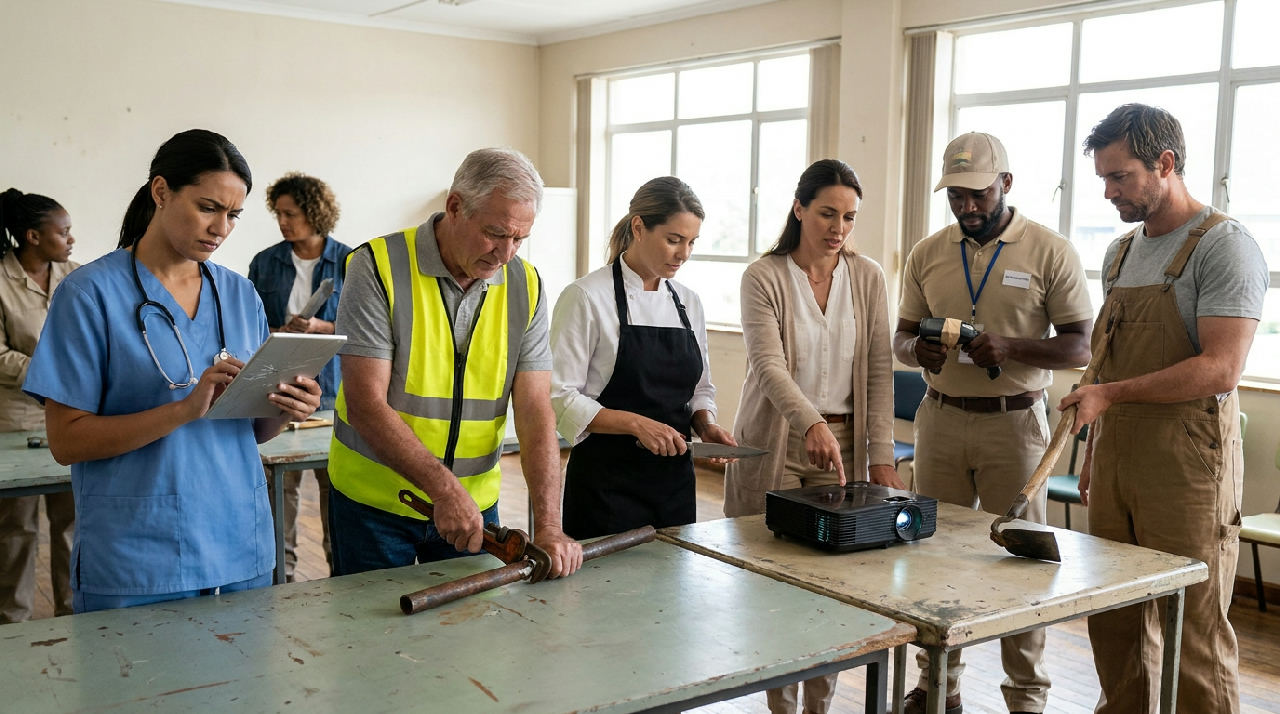
An organization can ask for care, accuracy, and professionalism while giving people unreliable equipment, broken software, and supplies that run out without warning. The contradiction becomes a daily lesson: quality matters in speeches, but making quality possible is someone else’s problem.
For readers of Culture That Lasts, this is a concrete place to practice intentional culture design. The condition of the tools people use tells them what the organization is prepared to support. Maintenance is not merely an operational concern. It shapes expectations about whether dependable work is possible without extraordinary effort.
Notice What People Have Learned to Tolerate
Think about a scanner that needs three attempts, a shared spreadsheet with broken formulas, or a headset that disconnects during customer calls. Each defect may look minor in isolation. Together, they teach employees to budget for frustration and quietly build workarounds into their day.
Over time, those workarounds can become badges of competence. Experienced colleagues know which machine to avoid and which information to copy into a separate file. New employees struggle until someone teaches them the unofficial method. What looks like individual expertise may actually be adaptation to a preventable failure.
The cultural question is not whether every tool is new. It is whether people can reasonably expect the organization to keep essential tools fit for use. A modest, well-maintained setup can communicate more respect than an expensive platform whose recurring faults nobody owns.
Make Reliability a Shared Expectation
Start with one work process, not an organization-wide replacement campaign. Ask the people performing it to demonstrate where equipment or software interrupts normal progress. Look for repeated restarts, duplicate entry, improvised repairs, and steps that exist only because something no longer works as intended.
Separate preferences from defects. A preference might be a different interface color. A defect might be an interface that makes required information unreadable. The aim is not to promise everyone their favorite tools. It is to establish a usable baseline for safe, accurate, dependable work.
Then create a repair path that produces an answer. A report should receive a reference number, a responsible service contact, and an expected update date. If a permanent fix is not feasible, explain the constraint and provide an acceptable temporary method. Silence teaches people that reporting problems is wasted effort.
Fund Upkeep Before Celebrating Rescue
Many organizations make new purchases visible and maintenance negotiable. Launches receive executive attention, while updates, replacement parts, and service contracts compete for whatever remains. That pattern encourages deterioration followed by dramatic rescue.
Budget for the useful life of a tool, including servicing, support, and eventual replacement. For essential equipment, define a maintenance interval. For shared software, identify who checks that updates have not broken critical functions. These are ordinary commitments, but keeping them reduces the need for exceptional recoveries.
Leaders should also resist praising ingenuity in ways that normalize unsafe or exhausting improvisation. Thank the employee who kept service running, then address the fault that made the rescue necessary. Resourcefulness deserves appreciation; recurring preventable breakdowns deserve correction.
Begin With One Recurring Breakdown
This week, select one tool failure that employees have stopped expecting anyone to fix. Record how often it occurs and what it interrupts. Arrange a repair, replacement, or supported alternative, then have the people who use it confirm that normal work is genuinely easier.
The practical takeaway is simple: demonstrate that wear and failure lead to upkeep, not resignation. Culture becomes more credible when people can spend their skill on the work itself rather than on compensating for the tools.